IMPORTANT LEGAL DISCLAIMER
This article provides general guidance for content creators navigating bicultural identity online based on the author’s experience working with diverse Portland creators. This is NOT legal advice. Immigration law is complex, highly individual, and changes frequently under different administrations.
If you have specific concerns about how your content may affect:
- Your immigration status or pending applications
- Family members’ legal situations
- Visa renewals or citizenship proceedings
- Employment-based immigration benefits
Consult a qualified immigration attorney immediately. This content cannot substitute professional legal counsel. Resources for finding immigration legal help are included at the end of this article.
Author Context
I’m Daniel Charles, a Portland-based photographer who has spent more than a decade livening in Latin America, with journalistic experience. I am a dual national, with United States and Costa Rica citizenship. My perspective comes from behind the camera—witnessing how creators balance authentic self-expression with legitimate safety concerns, and what questions they ask before sharing personal immigration stories online.
While I bring experience documenting diverse creator journeys across Portland and Vancouver, I am not an immigration attorney, legal expert, or policy specialist. This article shares observations from the creative side of content creation and includes resources from qualified legal professionals where appropriate.
There’s a particular tension I see in Portland creators navigating bicultural identity: that pull to tell your truth online, and that simultaneous tightness in your chest when you consider who might be watching.
After photographing dozens of women whose stories include border crossings, visa interviews, and the constant question “Where are you really from?”—I’ve learned that sharing immigration experiences as a content creator isn’t just about authenticity. It’s about strategy, safety, and understanding what you’re actually risking when you post.
This guide addresses the real questions bicultural creators ask me before shoots:
Can I share this? Should I? What if it affects my status? What if it hurts my family?
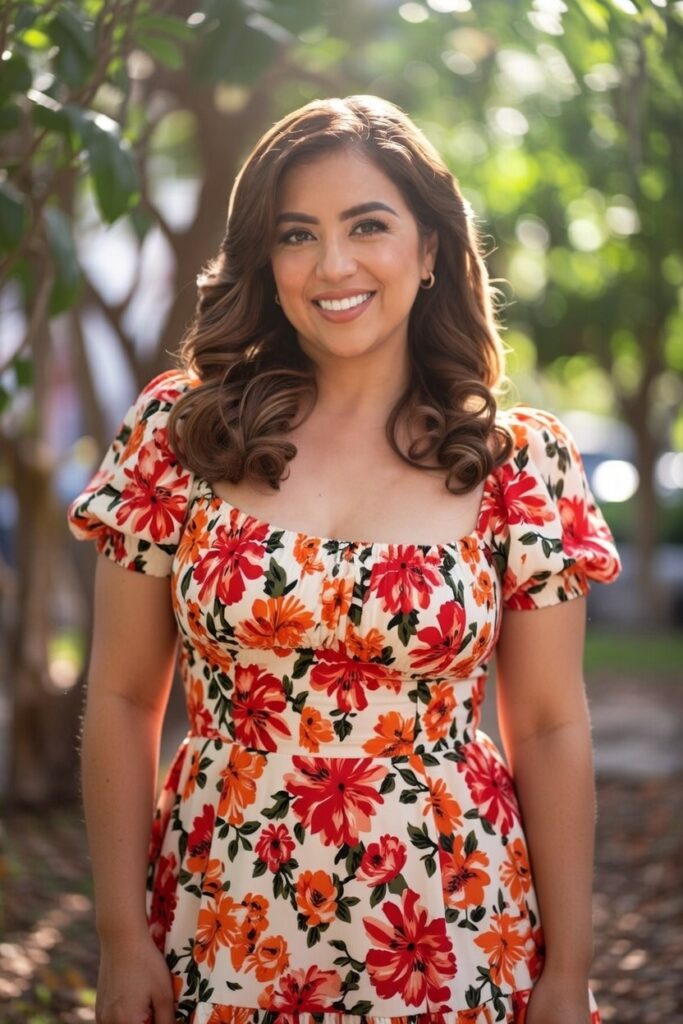
The Double-Edged Sword of Immigration Content
Why Creators Feel Pulled to Share
The desire to document your border story, your visa journey, your bicultural experience—it’s legitimate and powerful. Here’s what makes this content meaningful:
Community Building: Finding other creators who understand the specific exhaustion of explaining your accent, your name pronunciation, your “exotic” features to an audience that sees you as content, not context.
Reclaiming Narrative: Instead of having your immigration story told about you by journalists, politicians, or think pieces—you control the frame, the emphasis, the humanity.
Income Opportunity: Brands increasingly seek authentic multicultural voices. Your lived experience has commercial value in the creator economy—when approached ethically.
Therapeutic Documentation: Some creators find healing in sharing their journey. Turning private struggle into public art can be genuinely transformative.
Why Safety Concerns Are Valid
But here’s what I observe when creators hesitate—and these concerns are legitimate:
Immigration Enforcement Reality: According to immigration attorneys and civil liberties organizations including the ACLU, social media monitoring by immigration enforcement has documented precedent. While I cannot provide specific legal guidance on current policies, this is a known practice that creators with pending applications should discuss with their attorney.
Employment Vulnerability: Future employers Google you. HR departments review social media. Content revealing immigration history—especially if it includes unauthorized presence, visa overstays, or complex legal situations—can affect job prospects.
Family Privacy: Your story might be yours to tell, but it intersects with parents, siblings, partners whose legal situations could be more precarious. Sharing your journey may inadvertently expose theirs.
Scammers and Exploitation: Creators sharing immigration stories attract scammers promising “help with your case” or exploitation from those who see vulnerability as opportunity.
Permanent Digital Record: Content you share in 2026 lives forever. Immigration policies change with administrations. What feels safe to share today may become evidence in future proceedings under different political climates.
What You Can Share (Strategic Framework)
You don’t have to choose between silence and oversharing. Here’s how bicultural Portland creators I’ve worked with navigate this strategically:
Green Light: Generally Lower Risk
Cultural Celebration Without Legal Details:
- “My family’s traditional recipes from [country]”
- “Code-switching between English and [language] in my daily life”
- “What [holiday] means in my culture”
- “Growing up between two cultures in Portland”
Photography Note: These stories photograph beautifully—traditional clothing, cultural celebrations, family recipes create visually rich content without requiring legal disclosure.
Emotional Truth Without Specifics:
- “The feeling of not quite belonging in either culture”
- “Navigating family expectations vs. American individuality”
- “What it’s like hearing ‘Where are you from?’ for the 1000th time”
You can share the emotional landscape without providing the documentary evidence.
Established Status Acknowledgment:
If you are a naturalized citizen or have permanent residency, acknowledging “I immigrated to the U.S. from [country]” carries significantly less risk than sharing details about the process or family members’ situations.
Yellow Light: Proceed with Caution
General Immigration Journey (No Specifics):
- “My family immigrated when I was young” (without dates, specific circumstances, or legal pathways)
- “Navigating visa applications taught me resilience” (without details about which visas, denials, complications)
Before sharing even general references, consider:
- Do you have pending applications or renewals?
- Could this information be used against family members?
- Have you consulted with your immigration attorney?
Monetization Tied to Identity:
Accepting brand partnerships specifically seeking “immigrant voices” or “border stories” isn’t inherently problematic—but ensure the partnership doesn’t require you to disclose more than you’re comfortable with for engagement.
Red Light: High Risk (Consult Attorney First)
Never share without explicit legal counsel:
- Specific visa types, application numbers, or case details
- Dates of unauthorized presence or visa overstays
- Details of denied applications or immigration court proceedings
- Family members’ immigration status, especially if precarious
- Documentation status (yours or family members’)
- Specific border crossing experiences that could indicate legal violations
Why This Matters: This information can be subpoenaed, used in immigration proceedings, or flagged by automated monitoring systems according to immigration legal experts.
Ethical Monetization: Your Story Without Exploitation
One of the most common questions: “How can I monetize my bicultural experience without turning my trauma into content?”
What Works (Based on Portland Creator Success)
Cultural Expertise, Not Trauma Porn:
- Teach language skills (Spanish, Mandarin, etc.) through content
- Share cultural beauty rituals, cooking techniques, styling traditions
- Offer translation or cultural consulting services to brands
- Create educational content about your culture’s art, music, history
Example: A Vancouver creator I’ve photographed built her brand around traditional beauty techniques from her home country—offering tutorials, product reviews, and consultation. Her immigration journey is part of her bio, but not her content strategy.
Behind-the-Scenes Creative Services:
- Photography/videography for other bicultural creators
- Styling for multicultural brand campaigns
- Cultural sensitivity consulting for Portland businesses
- Event documentation for cultural community celebrations
Community Building Focus:
- Create private groups for bicultural creators
- Host Portland meetups for multicultural creatives
- Offer mentorship to newer creators navigating identity content
- Develop resources specific to Pacific Northwest immigrant communities
What to Avoid
Exploitation Red Flags:
- Brands asking you to “go deeper” into trauma for engagement
- Campaigns requiring you to share legal details you’re uncomfortable with
- Partnerships that fetishize your “exotic” immigrant experience
- Collaborations that don’t compensate fairly while extracting your story
Your story has value—don’t let anyone convince you to give more than you’re comfortable sharing for exposure.
Technical Content Strategy for Bicultural Creators
From a photographer’s perspective, here’s what works beautifully without requiring legal oversharing:
Visual Storytelling That Honors Identity
Cultural Aesthetic Without Narrative:
Create visually stunning content celebrating your cultural heritage through:
- Traditional clothing styled in contemporary ways
- Cultural makeup techniques and color palettes
- Hair styling that honors your texture and heritage
- Jewelry, accessories, and styling elements
These visual markers communicate identity powerfully without requiring written immigration disclosure.
Language As Creative Tool
Code-Switching Content:
Mixing English with your native language creates authentic connection with bilingual audiences while maintaining some privacy from monolingual viewers. This natural linguistic boundary provides subtle protection.
Spanglish, Taglish, Chinglish—whatever your blend—it’s content gold for reaching bicultural audiences while maintaining some cultural gatekeeping.
Location-Based Content That Centers Portland
Pacific Northwest Bicultural Experience:
- “What [my culture] looks like in rainy Portland”
- “Finding [cultural] ingredients in Portland markets”
- “Celebrating [holiday] in the Pacific Northwest”
- “My culture’s warm colors against Portland’s gray skies”
This positions you as part of Portland’s diverse creative community without making immigration your primary narrative.
Platform-Specific Considerations
Instagram & TikTok
Algorithmic Visibility ≠ Safety:
Viral content reaches beyond your intended audience. Immigration enforcement, future employers, and family’s home-country governments could all view viral posts.
Before posting:
- Who beyond your followers might see this?
- Could it be screenshotted and used out of context?
- Does it reveal anything that could harm you or family later?
YouTube Vlogs
Permanence Issues:
Video content is harder to fully delete than photos. Even removed videos may exist as screen recordings or archives.
Strategic Approach:
- Keep immigration references vague if including them
- Focus on cultural celebration vs. legal journey
- Consider making sensitive content “unlisted” for community-only sharing
LinkedIn (Career Platform)
Professional Considerations:
How you frame bicultural identity professionally differs from creative content. LinkedIn immigration references should focus on:
- Language skills as professional assets
- Cultural competency for global markets
- Diverse perspective as workplace strength
Avoid legal status details or visa history on professional platforms.
When Your Story Intersects With Others
Family Privacy Protection
Communicate Before Posting:
If your content could reveal:
- Parents’ immigration status
- Siblings’ legal situations
- Extended family still in home country
Have explicit conversations about consent. Your right to share your story doesn’t override their right to privacy.
Portland Community Context:
Our city’s progressive values don’t eliminate risk—family members may face consequences in home countries or with U.S. proceedings regardless of local political climate.
Collaborative Content Safety
When creating with other bicultural Portland creators:
- Establish boundaries about what’s shareable before shoots
- Respect different comfort levels with identity disclosure
- Don’t pressure collaborators to “go deeper” than they choose
See our Portland creator collaboration guide for partnership practices that honor safety and consent.
Resources for Bicultural Creators
Immigration Legal Assistance
Northwest Immigrant Rights Project (NWIRP)
- Portland office: [contact info]
- Free and low-cost legal services
- Know-your-rights resources
Catholic Charities Immigration Legal Services
- Vancouver/Portland metro area
- Sliding scale fees based on income
- Multiple language services
- Digital privacy and immigration resources
- Know-your-rights guides
- Policy updates affecting creators
National Immigration Law Center (NILC)
- Creator-specific guidance on social media and immigration
- Policy analysis and updates
- Educational resources
Creator Support Organizations
Oregon Media Justice
Asian Pacific American Network of Oregon (APANO)
Mental Health Support
Immigrant & Refugee Community Organization (IRCO)
- Culturally specific mental health services
- Portland metro area locations
- Support navigating bicultural identity
Portland’s Bicultural Creator Community
You’re not alone in navigating these questions. Portland and Vancouver have vibrant, diverse creator communities where others understand the specific pressure of:
- Performing identity for content
- Balancing authenticity with safety
- Monetizing culture without exploitation
- Building sustainable creative careers while protecting family
Finding Your People
Creative Lunch Club Portland hosts multicultural creator meetups
Portland Creative Network includes bicultural artists and content creators
Centro Cultural connects Latino culture focused creators across Portland metro
Final Thoughts: Your Story, Your Terms
After years photographing bicultural creators, here’s what I’ve learned: authenticity and safety aren’t opposing forces. You can tell deeply true stories about your experience without disclosing every legal detail. You can monetize your cultural expertise without exploiting your trauma. You can build community around shared bicultural experience while protecting what matters.
The question isn’t “Should I share my immigration story?” It’s “What parts of my story serve my audience, honor my truth, AND protect my future?”
Only you can answer that. But you don’t have to figure it out alone.
Ready to Create Culturally Authentic Content Safely?
If you’re a Portland or Vancouver bicultural creator interested in producing content that celebrates your heritage without compromising your safety, I’d love to collaborate. My approach combines technical photography expertise with deep respect for the complexity of identity navigation.
We provide professional photography, culturally sensitive creative direction, and production support for creators building authentic brands—no pressure to overshare, just space to explore visual storytelling on your terms.
Interested? Visit pdxinspo.com/contact-us or DM “BICULTURAL” to discuss collaboration.
Related Resources:
Quinceañera Side Hustles: Portland Latina Creator Business Guide
Styling Vintage Lingerie for Latina Creators: Photography Guide
Body Image for Content Creators: Confidence Through Cultural Identity
