As a Portland photographer who has captured beauty transformations, I’ve seen the exact moment a portfolio either opens a door or closes it. In the competitive Pacific Northwest beauty scene—from the high-end salons of the Pearl District to the creative studios in Vancouver—your portfolio is more than a gallery; it is your technical resume.
While beauty schools teach you the mechanics of the craft, they rarely teach you the optics of the hiring process. A hiring manager at a top-tier salon spends less than 30 seconds on your digital portfolio. If your lighting is muddy or your angles are unflattering, they may not even look at your technical skill. This guide breaks down the professional standards required to turn your creative work into a career-launching asset.
What Salon Owners Really Look For
When a salon owner flips through your portfolio, they are silently asking three questions:esimichigan+1
- Can you do the kinds of services our clients ask for every day?
- Do you understand professionalism and attention to detail?
- Will our guests feel confident in your chair?
That means your portfolio has to do more than look pretty. It needs to make them think, “I can picture this person working here next week.”avedainspiregreatness+1
Step 1: Choose the Right 10–15 Photos
You don’t need 100 photos. You need your strongest 10–15 that tell a clear story about your skills.
Aim to include:
- 2–3 haircuts (different lengths and textures).
- 2–3 color services (at least one dimensional or corrective color if you have it).
- 2–3 special-occasion styles or updos.
- 2–3 makeup looks or skin-focused services (if you offer them).
Each photo should be something you’d be proud to repeat in a real salon on a real client tomorrow.brillarebeautyinstitute+1
Step 2: Make Before-and-After Photos Your Secret Weapon
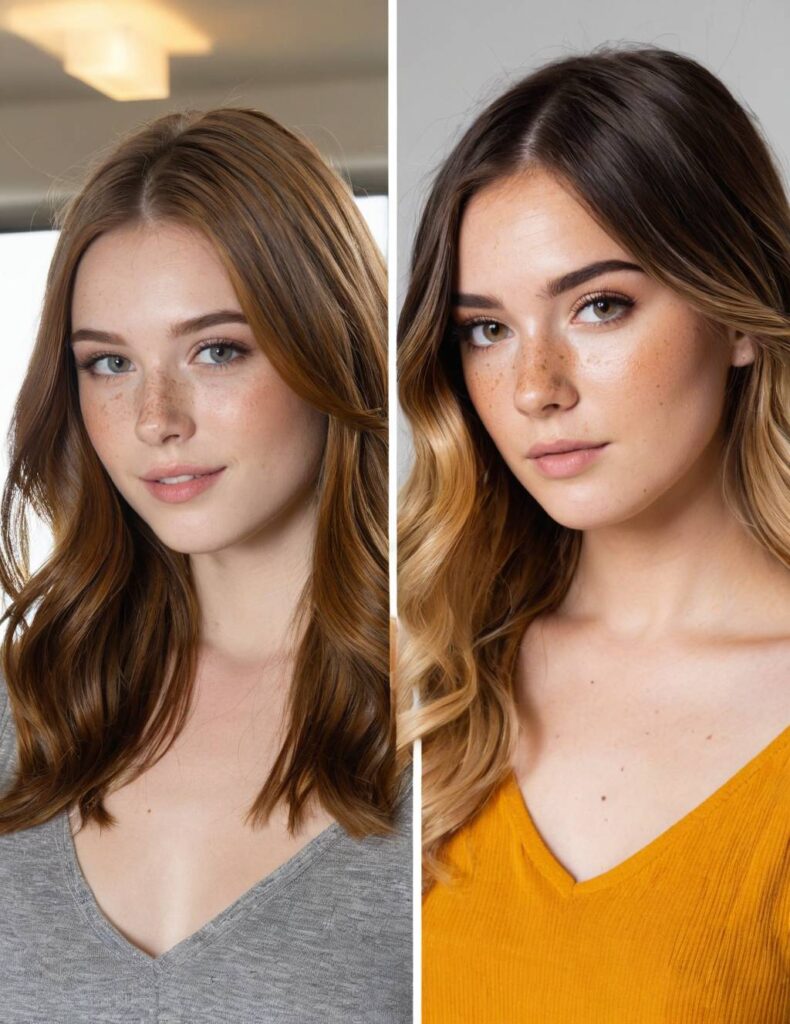
Before-and-after photos are the fastest way to show that you can create real transformations, not just style what’s already there.salonsuccessacademy+1
To make them work for you:
- Keep lighting and angle as similar as possible in both shots.
- Show the full head and at least one close-up detail (like a blend or curl pattern).
- Avoid filters that change hair color or skin tone.
When a hiring manager sees clear, honest before-and-afters, it tells them you can solve problems and deliver visible results for paying guests. hairpros+1
Step 3: Show Range, Not Randomness
Salons want stylists who can handle whatever walks in the door. xenonacademy+1
So in your portfolio, make sure you show:
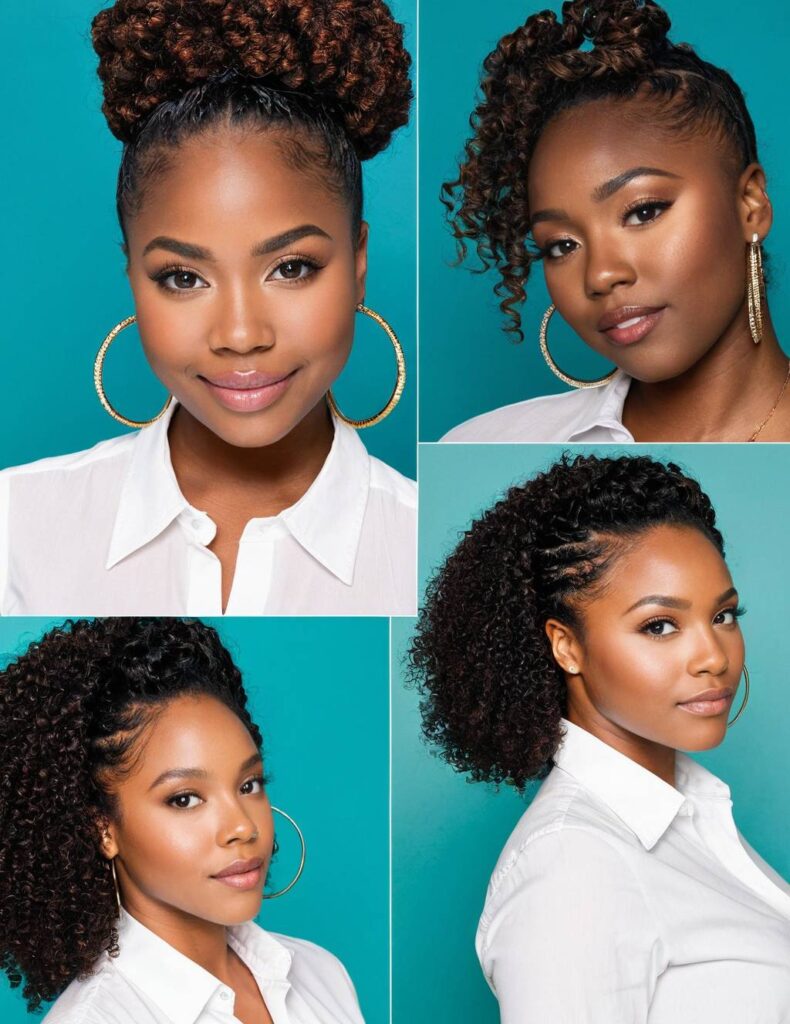
- Different hair types: straight, wavy, curly, and coily when possible.
- Different skin tones and face shapes, especially in makeup and brow work.
- A mix of everyday wearable looks and “wow” looks for events.
Arrange your photos so similar services sit near each other (all color work together, all updos together), making it easy for an owner to skim and see your range quickly. avedainspiregreatness+1
Step 4: Take Photos Like a Pro (Even With a Phone)
You don’t need an expensive camera, but you do need intentional photos.avedapdx+1
Use these basics:
- Lighting: stand your client near a window or in bright, even light; avoid harsh overhead yellow light when you can.
- Background: clean wall, salon station, or backdrop with clutter moved out of frame.
- Posing: turn the head slightly, capture front, side, and back if the style calls for it.
Build a habit: every time you finish a service you’re proud of, ask for permission, take 2–3 minutes for photos, and add the best shots to a “Portfolio” album on your phone.hairpros+1
A professional portfolio must demonstrate technical versatility across different lighting and framing conditions. To be viewed as a high-level candidate, you need these four specific types of shots:
1. The Macro Texture Shot
This is where your technical precision is visible. For makeup artists, this is a close-up of the eye or lip; for stylists, it is the detail of a braid or the “seamlessness” of a balayage blend.
- Why it matters: It proves you aren’t hiding mistakes with filters or distance.
- Technical Tip: Use a macro lens or “Portrait Mode” with a 2x zoom to capture the true texture of the hair or skin without distortion.
2. The 360-Degree Transformation
Never show just a “finished” look. Hiring managers want to see the architecture of your work.
- Shot list: Front profile, 45-degree angle, side profile, and the back.
- Lighting: Ensure the light source (ring light or window) moves with the subject to avoid creating “dark spots” on the hair or shadows under the eyes.
3. The Natural Light Assessment
Showcasing work in natural light is the ultimate “truth test” for beauty professionals.
- The Setup: Place your model 3 feet from a large window during “Golden Hour” or under Portland’s typical diffused cloud cover.
- Why it hires: It shows how your color work (balayage, vivids, or foundation matching) will look on the street, not just under salon fluorescent lights.
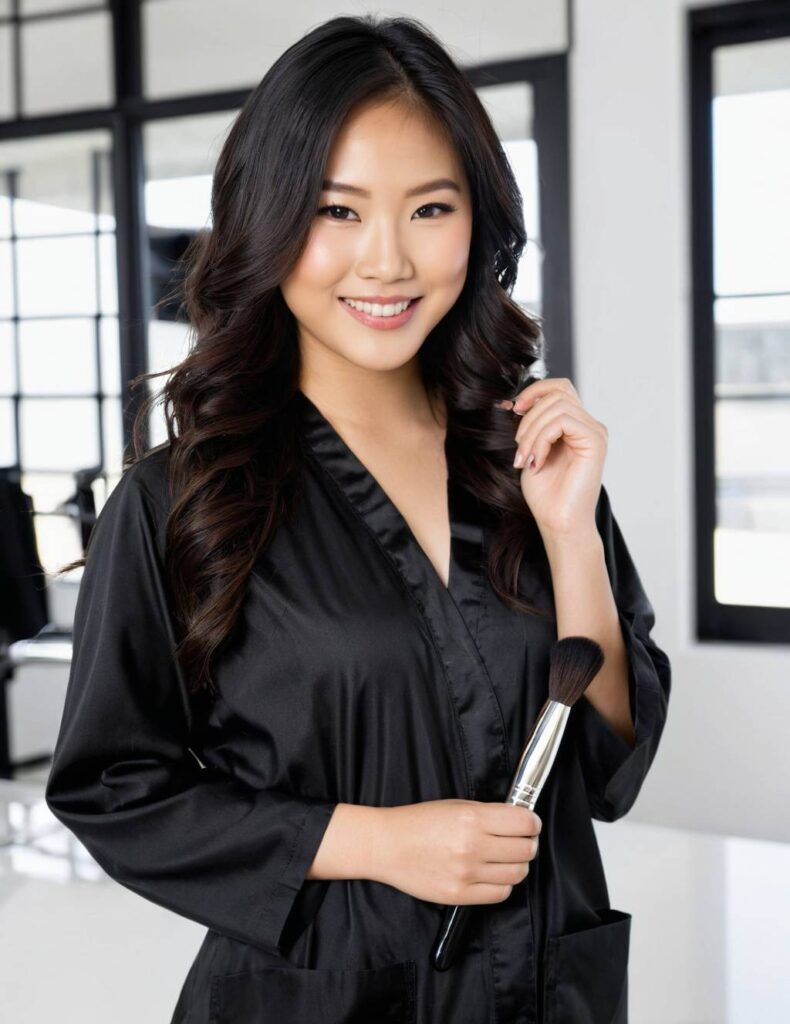
4. The Production/BTS Action Shot
Including 1-2 images of you in the process of working establishes your professional identity.
- The Vibe: You should look focused, organized, and clean.
- Technical Tip: These should be “candid” style shots taken by a collaborator, showing your kit and your posture while you work.
Mastering Light for Texture
Hair and makeup photograph differently depending on the light’s “temperature.”
- For Hair Stylists: Cool-toned light (5000K-5600K) is best for showing ash blondes and silver tones. Warm light (3200K) makes brunettes and reds look richer.
- For Makeup Artists: Always aim for 5500K (Daylight) to ensure foundation matching looks accurate. Avoid yellow “warm” lamps which can make skin look sallow in photos.
Posing for “Hirable” Silhouettes
Hiring managers look for healthy, vibrant-looking hair and skin. Posing contributes to this:
- The “Model” Posture: Ensure the subject’s shoulders are down and back. This elongates the neck and lets hair drape naturally over the shoulders.
- The Hair Flip: To show volume, have the model tilt their head slightly toward the camera, then gently pull the hair forward.
- Eye Connection: Even in hair-focused portfolios, a model with a “confident gaze” makes the work look more professional and high-end.
Step 5: Document Your Journey From School to Salon
Your portfolio isn’t a one-time project; it’s a living record of how far you’ve come.esimichigan+1
Include:
- Early student work that still holds up today.
- Shots from school photo days, mannequin work that truly showcases a skill, and any editorial or creative projects you’ve done.
- Updated photos at least every few months as your technical skills improve.
When you look back, you should see a clear progression from “student experiments” to polished, salon-ready work.tenajsaloninstitute+1
Step 6: Package Your Portfolio for Interviews (Print and Digital)
You’ll make the strongest impression if you can show your work in more than one format.xenonacademy+1
Consider:
- A simple printed book or binder with high-quality prints you can leave on the table during interviews.
- A clean digital portfolio (Instagram highlights, a private album, or a simple website) you can send in advance or pull up on your phone.
Make sure your name, contact information, and social handles are easy to find on both, so if they like what they see, they know exactly how to reach you.brillarebeautyinstitute+1
Curation Strategy: Quality Over Quantity
The biggest mistake new beauty professionals make is including “filler” content. If you have 20 photos and 5 of them are just “okay,” the hiring manager will only remember the 5 “okay” ones.
The 10-Post Rule
Your digital portfolio (Instagram grid or website) should only feature your top 10 pieces of work.
- Diversify the Skill: 3 Vivids/Color, 3 Cuts/Styles, 2 Extension work, 2 Bridal/Editorial.
- Color Coordination: Use your knowledge of Color Theory to ensure your portfolio looks like a cohesive brand, not a random collection of photos.
- The “First Impression” Row: The top 3 images on your grid should represent the highest paying service you want to be hired for.
Step 7: Use Your Portfolio to Start Conversations
Your portfolio isn’t just for the moment you sit down in an interview—it can help you get that interview in the first place.esimichigan+1
You can:
- DM or email local salons with a short introduction and a link to your best 8–10 photos.
- Bring your printed portfolio when you drop off a resume in person.
- Ask your instructors or mentors to review your portfolio and suggest salons that match your style.
The goal is for owners and managers to remember you as “the one with the great portfolio,” not just another name on a list.hairpros+1
Portland Beauty Community Connections
Portland and Vancouver have a tight-knit beauty community. To get hired at the best salons, your portfolio needs to reflect the local aesthetic—which currently leans toward “Lived-in Luxury.”
The “Portland Look”: Currently, high-contrast balayage and soft, romantic styling are in high demand across PNW salons.
Local Networking: Use your portfolio to collaborate with other Portland creators. Reach out to local photographers (like PDXinspo) for “TFP” (Trade for Print) sessions to get high-end images that outshine standard salon selfies.
School Integration: If you are attending Aveda, Paul Mitchell, or Phagans, begin your portfolio in month one. Don’t wait until graduation.
Ready to Elevate Your Professional Brand?
Contact me to talk about how we can work together through collaboration.
Related Topics
- Color Theory for Creators (essential for makeup/hair harmony).
- Balayage for Beginners (technical skill depth).
- How to Find Collaborators in Portland (for TFP shoot networking).
- Cosmetology School Guide (to anchor the career advice).
